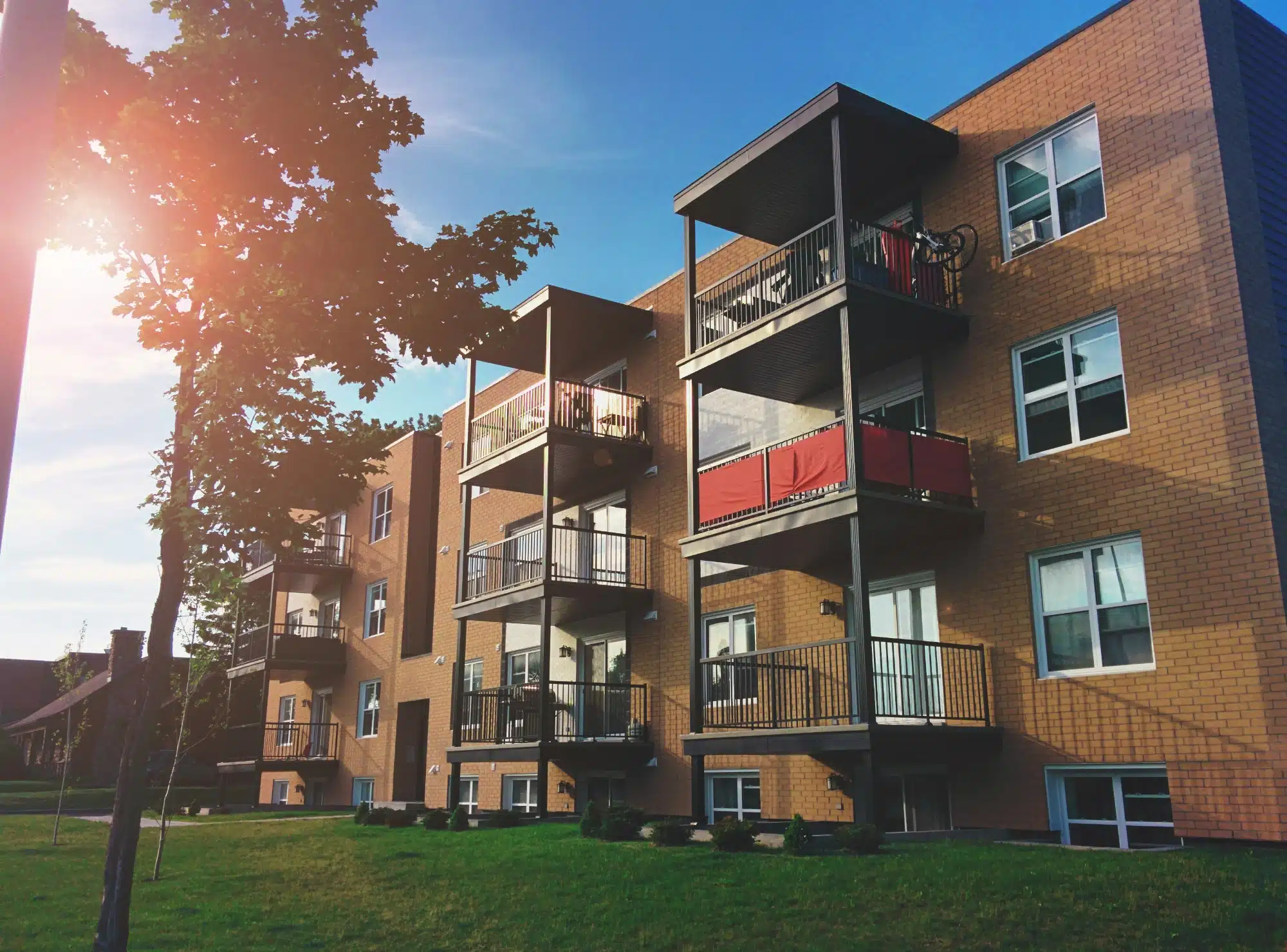
Choosing a property manager for your community group is an important choice. You want someone who does more than handle payments. The right property management person should be a partner to your board. They help keep everything running well and look after your real estate. It is good to have a property manager who knows condo or HOA needs. With this, your community can (as it should) be a great place for all.
Understanding the Role of a Property Management Company
A property management specialist is an entity who looks after a property for the owners. In a community association, the property manager works to help the board reach its goals, keep investments safe, and make sure the property keeps its value. They use their skill and care in all of these duties.
The property manager role covers daily jobs, paperwork, and working with people who live in the property. This specialist role is in the center of things. They work with money matters, make sure things follow the rules, and look after everyone in the building. Let’s go into the main tasks the property management job includes and find out what makes this role different from the others.
Daily Responsibilities in Community Associations (Condos & HOAs)
A community association manager has to do many things each day, so that the community stays in good shape. Property operations start with checking messages, answering questions from residents, and looking into any problems that happened at night. The work can change at any time, so the manager may need to move quickly between paperwork and being out on site.
One big part of the day is maintenance coordination. The manager keeps track of work orders that still need work. They give out new daily tasks to vendors and technicians. They also listen to tenant complaints and step in to help fixes get made, so everyone can get along.
Other important daily tasks include:
- Watching over site property operations like making sure cleaning gets done and that security is in place.
- Making sure community rules and policies are followed by everyone.
- Talking with government staff and keeping things legal.

Key Differences Between Property Managers and Property Management Specialists
While the terms are often used interchangeably, there can be a distinction between a general property manager and a dedicated property management company, particularly in the context of community associations. A general property manager often focuses on the core responsibilities of managing individual rental units, such as collecting rent and handling basic repairs for a landlord.
In contrast, a property management company, especially one working with a professional property management company, often takes on a more strategic and comprehensive role. They provide oversight for the entire association, manage finances, advise the board on investment opportunities, and ensure long-term value. Their expertise is broader, covering legal compliance, financial forecasting, and large-scale project management.
|
Feature |
Property Manager |
Property Management Specialist |
|---|---|---|
|
Primary Focus |
Day-to-day tasks for individual units (rent, basic maintenance) |
Strategic oversight of the entire community association |
|
Scope of Work |
Operational and tactical |
Operational, financial, and strategic advisory |
|
Client Relationship |
Works for the property owner/landlord |
Partners with the HOA or Condo Board of Directors |
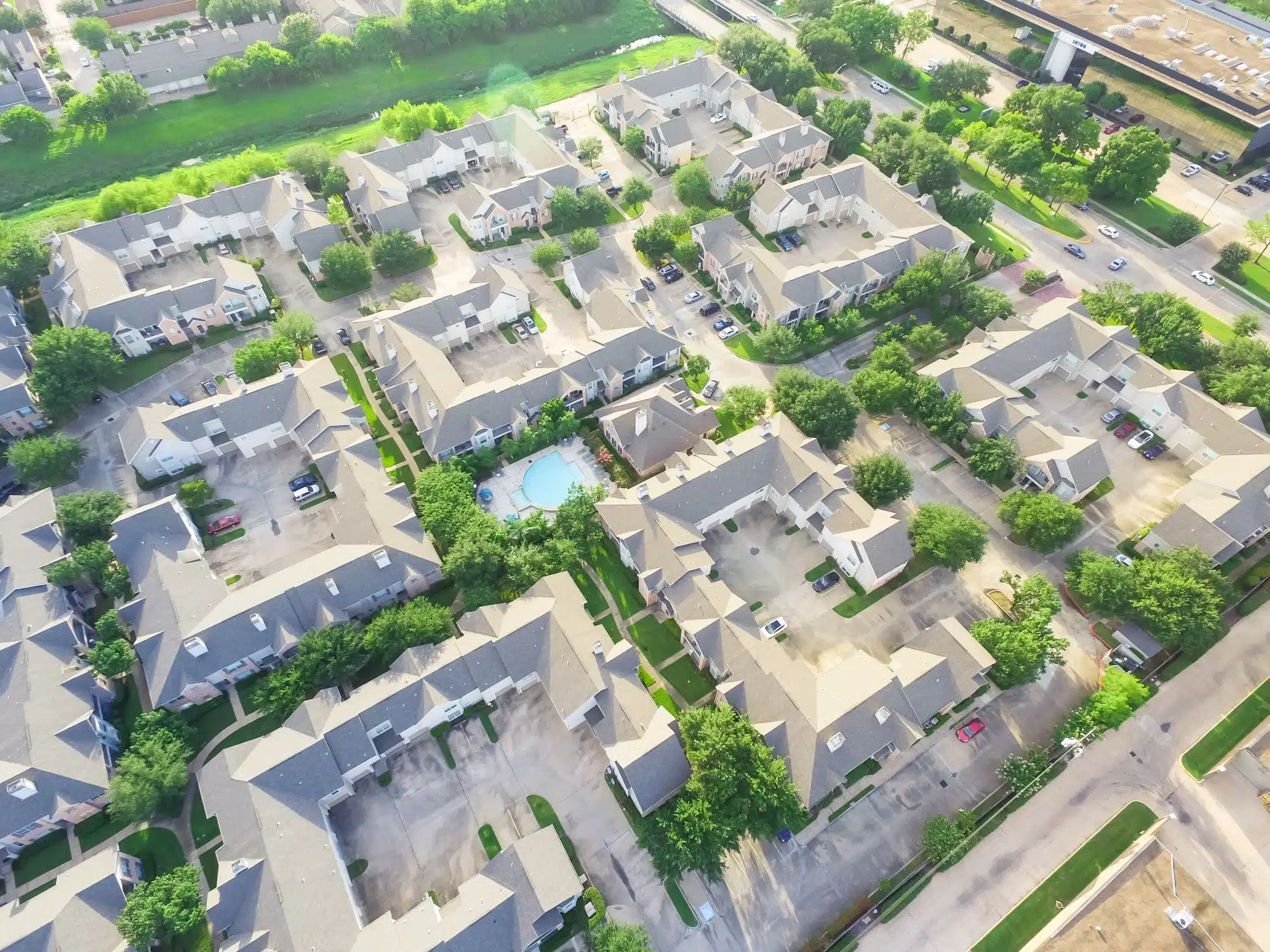
Why Your Community Association Needs Professional Property Management
Handling a condo or HOA takes a lot of work. It can be too much for a volunteer board. A property management company brings skills, tools, and the right system to help you run the place together. The board saves time and energy when these experts do the job for them. Also, the workload gets easier and there is less stress. With professional property management, they take care of day-to-day work. This lets you look after bigger goals.
When you use smart property management services, your group stays safe with the law and the money rules. Your neighbors get happy. The building or property keeps its value. Next, we can see the problems groups often have, and how a property management company helps fix them.
Common Challenges Faced by Condos and HOAs
Community associations can face problems that take up a lot of time and cause stress. Board members may find it hard when they must talk to neighbors about late payments. At the same time, they know that collecting dues and sticking to the rules is very important. The job needs people to be fair and firm, even when the work gets tough.
Another big problem is when there are tenant complaints or fights between people who live in the group. Handling these is not easy and can take a lot of your time. Then there is the work to keep the property value up. This means talking to vendors, making sure repairs happen fast, and working with strict deadlines. Volunteers with other jobs can find all this very hard. If there is a lot of tenant turnover, it can make people feel less connected to the community.
Common problems people run into:
- Getting people to settle their fights about common areas.
- Making sure rules and regulations are followed by everyone the same way.
- Taking care of major repairs or emergencies after work hours.
Late payments, tenant complaints, and keeping property value up are things that many groups deal with. If these get worse, it becomes hard for everyone. Volunteers need help, especially if there are strict deadlines or a lot of changes in tenants.
Benefits of Hiring a Specialist for Community Associations
Hiring someone for property management can add a lot of value to your community association. One big benefit is having an expert in charge of maintenance coordination. This person makes sure that repairs get done fast and that steps are taken to prevent future problems. This helps keep the property in good shape and makes tenants happy.
Dedicated property management companies also help settle conflicts. They are a neutral third party, so they handle resident problems and make sure rules are followed without taking sides. This is better than having neighbors manage each other. Everyone in the community gets fair treatment and things go more smoothly. With the right property management services, your association can run better and more easily.
Key benefits include:
- Careful screening to get good and dependable residents.
- Current understanding of landlord and tenant laws so your group stays within the law.
- Quick and simple ways to collect payments and handle money.

Essential Qualifications and Skills to Look For
When you choose someone for property management, do not focus only on what they charge. You need to look at what they know and what they can do. The person you pick should have the right training and papers, like property management license or certifications if needed. It is also good if they have real experience in the property management industry.
It is not just about paperwork and experience. You should also check their soft skills. A good manager needs to talk well, solve problems fast, and keep things in order. Next, we will look at what certifications and soft skills set apart a great property management company.
Certifications, Licenses, and Training Requirements
The rules for becoming a property manager can change depending on where you live. In some parts of the country, you need a real estate license or a property management license. This is needed if you want to do things like take rent or sign lease agreements. Even in places where a license is not a must, having one shows you know the work and will handle it well.
You should try to find a property manager who has gone through extra training. If someone has a title such as Certified Manager of Community Associations (CMCA®), Association Management Specialist (AMS®), or Certified Property Manager (CPM®), this means they care a lot about their job and understand property management very well.
Ongoing training is important too. When choosing a property manager, make sure they:
- Finish courses often to stay up-to-date with current laws and property management best methods.
- Are part of groups like the Community Associations Institute (CAI).
- Get training at work from a trusted property management company.
Important Soft Skills for Effective Community Management
While knowing the technical side is important, soft skills are what help a property manager be good at what they do. The best property management companies have strong communication skills. They need to talk in a clear and professional way with the board, people who live there, vendors, and everyone involved. This helps stop problems before they start and helps build trust with others.
Time management and being well organized are key parts of the job and can’t be left out. The responsibilities of a property manager are many, and they have to deal with more than one job at a time. The property manager may have to work with strict deadlines. Some tasks might be looking after an emergency repair, while others might be getting a financial report ready. This means they must always watch their time and make sure that nothing is missed.
Key soft skills you should look for in property management include:
- Good problem-solving so they can take care of any unexpected situation.
- A focus on good customer service, with the goal to keep residents happy.
- Being honest and trustworthy, and making sure they always act with high ethics.
What to Prepare Before Hiring Property Management Specialists
Before you start to look for a property management firm, your board needs to get ready. Taking some time to prepare will help your board say what you want. This also lets you check each property management option you find in a clear way. When you have a good plan, your board can find a property management partner who fits what your community wants.
The first thing to do is to list what you want from a property manager. You should gather all the important facts about your association. Doing these steps first makes finding and hiring the right property management firm easier. It helps to make sure you have a good, working team. Here is what you need to know and what you need to do next.
Defining Your Community’s Needs and Expectations
Start by talking openly with your board about the hardest things your community is facing and what you hope to achieve. Is your board having a hard time with financial reporting, vendor management, or making sure rules are followed? Figuring out these problems early will help you choose the property management services you need most.
After this, write down what you want from a management partner. Do you need someone to help run board meetings, check the property often, or plan a budget for many years? Make it clear what level of service you want, how often you want updates, and how you want to communicate. Doing this will help you pick a property management company that works well and brings more tenant satisfaction.
Key questions for your board to answer include:
- What are our top three management challenges right now?
- How often do we want to receive financial and maintenance reports?
- What is our budget for management fees?
Gathering Relevant Documents and Information
To help management companies learn the most about your association, you should collect some important documents. The information in these papers will show the company your community’s money matters, the way things are run, and how things are going now. If you give them all this, they can make their proposal fit your needs better.
You should get your association’s rules (bylaws and CC&Rs), your latest financial papers, your budget for this year, and a short note about any legal things that are still going on or big projects you have. Lease agreements and background checks mostly deal with individual rentals, but giving some information about your community’s rent collection system is very useful.
Essential papers you should have ready:
- Current vendor contracts and insurance policies.
- A list of every property in your association.
- Notes from the latest board meetings.
Step-by-Step Guide to Choosing the Right Property Management Company
Finding the right property management specialist needs a careful plan. You should not hurry this decision. If you do, you might end up with the wrong property management firm. When you follow a clear plan, your board can pick a property management partner that is a good fit for your community. This guide will show you the key steps you need to take.
You will learn the right way to start your research. You will also see which questions to ask during interviews. Every step helps you get the important information you need to choose well. Take these steps if you want to trust the property management firm that you hire for your group.
Step 1: Research Top-Rated Local Specialists
Your search for a property management company should start with finding trusted local experts. Try asking other board members from nearby areas or talk to a real estate agent you know. People you trust can often help you discover a good property management team who has proof they do great work.
Then, go online. Search for property management companies in your area. Focus on what they show on the internet and read the reviews from clients. Google and Yelp help you see what other people say about the company and how they feel about their service. Make sure you find feedback that stays positive, about things like how the company talks with their clients, how fast they respond, and how well they do their job.
When looking into real estate and property management services, remember to:
- Check if the company belongs to professional groups, like NARPM or CAI.
- Go through their website to see what services and experience they have.
- Look for anything that points to awards or special recognition.
Step 2: Evaluate Experience with Similar Associations
Not every property management company is the same. It is important to find the right company with the experience to manage a community just like yours. Some firms mainly work with single-family rentals, and they may not know how to handle the big money and legal needs of a large condo association.
When you are checking out property management options, ask each manager about the kinds of properties they handle now. Ask how many HOAs or condo associations they have and how big these communities are. A good property manager who knows association management will get the details right when it comes to rules, board meetings, and looking after shared spaces.
Questions to ask about their experience include:
- How many years have you been managing community associations?
- Can you provide examples of your work with communities of our size?
- How do you handle large-scale capital improvement projects?

Step 3: Compare Services, Fees, and Contract Terms
Once you make a list of good candidates, you should start looking at what each one gives you. Ask every firm for a full plan that tells you about their property management services and how they charge fees. The management fees are usually a small part of the monthly rental income. This is often between 8% and 12%, or it can be a set fee for each unit.
Check the contract rules closely. You should look at how long the contract lasts, if there is a way to stop the service, and what is in the base fee compared to what you pay extra for. Some property management companies may ask for more money when they work on big repairs or help with evictions. You need to know about all costs so you can plan for them.
When you look over different plans, make sure to check for:
- A clear list of all possible fees.
- What work the property management firm will do under their agreement.
- How open they are with contract time and ways to end the contract.
Step 4: Check References and Client Reviews
Before you make a choice, it is good to be careful. Talk to the people your top property manager candidates have worked with before. Ask them for a list of clients they have now or ones they helped in the past. It is best if these are from other groups like yours. It helps to speak directly with other board members and get honest answers about the property manager.
When you reach out to these contacts, you should ask clear questions. Find out about how the manager talks with you, how they handle financial management, and if they solve problems quickly. What you hear will help you know how well the property manager works. Keep looking at online reviews, too, because they can show you what other people think.
Key questions to ask references:
- How fast does the property manager answer when your board needs something?
- Are you happy with their financial management and reports?
- Would you tell another group to use their services?
Step 5: Conduct Interviews and Ask Key Questions
The last step is to set up a property management interview with your top two or three choices. This helps you see how they work, talk with people, and if they match how your board likes to do things. Make a list of big questions before the interview. This way, you ask about the same things with each person.
When you talk with them, find out how they talk with owners, fix problems, and handle financial management. Ask about who is on their team and who you would speak to if there is a need. A strong property management expert can explain what they do in a way that makes sense. They show they know their work and care about customers.
Important questions for the interview:
- How do you handle after-hours emergencies?
- What property management software do you use?
- How would you approach a situation where a resident is violating community rules?
What to Expect After Hiring a Property Management Specialist
When you pick your new property manager, you are not done with the work. The next step is to help make a smooth change and set up a good way to work together. Planning the start with your property manager is very important. It helps your new property manager to get going fast and start showing good results right away.
This early stage helps build your long-term work as a team. If you know what is needed at the start and make clear rules, your group and the property management team can work well together. Here is what you should look forward to.

Onboarding Process and Communication Setup
The onboarding steps usually start with a kickoff meeting. You, the board, meet with your new property manager. In this meeting, you give over all needed documents. This includes things like financial records, vendor deals, and contact info for people living there. The property manager also needs to get into the community’s bank accounts and other main systems.
One big step in onboarding is making sure everyone knows how to talk with each other. The property manager should tell you how to reach out for normal things and in case there is an emergency. You should choose a routine day for meetings and reports. This helps everyone on the board stay up to date. During this part, the property manager is also brought in to meet residents and new tenants.
Key onboarding steps include:
- Transferring keys and access codes for all common areas.
- Setting up the manager in your accounting and banking systems.
- Notifying all residents of the management change and providing new contact information.
Monitoring Performance and Ensuring Accountability
After the onboarding is done, the board’s job turns to checking how things are going and making sure the property manager is doing what the association needs. The property manager works for you, so your board must keep an eye on things. This is not about watching every small detail, but making sure there are clear targets to meet and going over these targets often.
To hold your property manager accountable, look at the monthly money reports, check the maintenance records, and review reports about dues that are late. Set up regular meetings to talk about how the community is doing and bring up anything you want to discuss. A good property manager will be open. The manager will show detailed reports so the board trusts them and knows they are working well.
Ways to make sure the property management is accountable:
- Set clear and simple goals for the manager to reach.
- Make sure you do a yearly check on how they’re doing.
- Ask residents from time to time for feedback on how the property manager is doing their work.
Conclusion
Choosing the right property management company is key if you want your community to run well and be a nice place for everyone. You need to know what qualifications to look for. It’s good to check each possible candidate and get ready with what your community needs. This will help you choose someone who matches your goals. A good property management expert will help with challenges, give support, and make life better for all the people living there. Picking the right person or team makes the community stronger and helps keep things positive for years to come. If you want to see how your community’s management can be better, you can contact us to talk about your options.

Frequently Asked Questions
How do property management companies help with finding tenants?
A dedicated property management company helps to rent out rental properties. He or she sets up showings and talks to prospective tenants. Part of the work is to do background checks and credit checks. This is a big part of tenant screening. It helps find people who are likely to be good and stay in their homes. It is important to have these checks to keep turnover low and build a stable place for everyone.
What is the average salary for property management specialists in the U.S.?
The pay for a property management specialist can differ based on where you live, how much experience you have, and the kind of properties you look after. If you want to see exact numbers, you can check them with resources like the Bureau of Labor Statistics. Jobs in property manager positions can often give good pay, and many people who work in property management have a strong property management career.
Are there job opportunities for specialists outside of real estate rentals?
Yes, the property management field has many job options. It is not just for people who work with homes or apartments. If you have skills in business administration and know about property operations, you can work in places like office buildings, shopping malls, and government real estate properties. The real estate market is big, and there are many ways for people to use what they know in property management in different types of real estate.
What is the process for hiring a specialist for my HOA or condo association?
The hiring process for an HOA or condo association starts when you know what you need. Next, you have to research local firms. Then, compare the proposals that every property management company sends you.
The key steps are simple. Look at their experience with other associations like yours. Check their references. Set up interviews with the top people. Review the management contract well before you sign anything.