Burning out from HOA board service is not a sign of weakness. It is a structural problem with a structural fix.
Board volunteers often assume that dedication alone will carry them through governance responsibilities. In practice, unsustainable workloads stem from gaps in role definition, unclear delegation authority, and reactive management patterns. These issues affect boards across Bucks County and Montgomery County with surprising consistency. The strategies below address these root causes while preserving board control over community operations.
Clarify Board Member Roles and Responsibilities
Stress among board members frequently traces back to ambiguous job definitions. When responsibilities remain undefined, certain individuals absorb disproportionate workloads while other duties fall through the cracks entirely. The governing documents of any community association should establish the foundation for role clarity, yet many boards operate without revisiting these parameters.
Every board position carries specific obligations—financial oversight, maintenance coordination, rule enforcement, architectural review. Each area requires a designated lead. Without this structure, accountability becomes diffuse and resentment builds among volunteers who feel overburdened.
Clear delineation of the responsibilities of HOA board members prevents the common pattern where one or two people handle everything while others contribute minimally. When each board member understands their specific domain, the group functions more cohesively. Internal friction decreases. Meeting productivity improves. The community notices the difference.

Establish Effective Delegation Frameworks
Maintaining control over association operations does not require managing every task personally. A functional delegation framework allows the board of directors to focus on strategic planning and policy decisions while others handle operational execution. This distinction between governance and operations is fundamental to sustainable board workload management.
The board retains decision-making authority over substantive matters while assigning defined tasks to committees or a management company. Effective delegation requires clear guidelines about scope and expected outcomes. A committee might be tasked to:
- Gather vendor bids for a capital project
- Review architectural modification requests against established standards
With appropriate parameters, work progresses without requiring board members to approve every detail. This approach preserves more time and energy for matters that genuinely require board attention. Boards in Bucks County and elsewhere have found that structured delegation—not micromanagement—produces better outcomes.
Set Boundaries to Prevent Volunteer Overload
Volunteer burnout develops when personal life and board responsibilities blur together. Without established limits, role creep sets in. Board members feel pressure to remain constantly available, fielding homeowner concerns at all hours about issues that could wait until business hours.
A board member’s role centers on governance and leadership. The job does not include personally resolving every resident complaint or addressing maintenance emergencies at midnight. Boundaries communicate expectations to the community while protecting volunteer time. Practical approaches include:
- Designating official communication channels such as a management portal or dedicated email address
- Establishing response time expectations for non-emergency inquiries
- Keeping personal phone numbers and social media accounts separate from association business
Consistent boundary enforcement protects against volunteer burnout while maintaining professional relationships with community members. The community learns what to expect. Board members preserve their capacity for actual governance work.
Run Structured and Productive Meetings
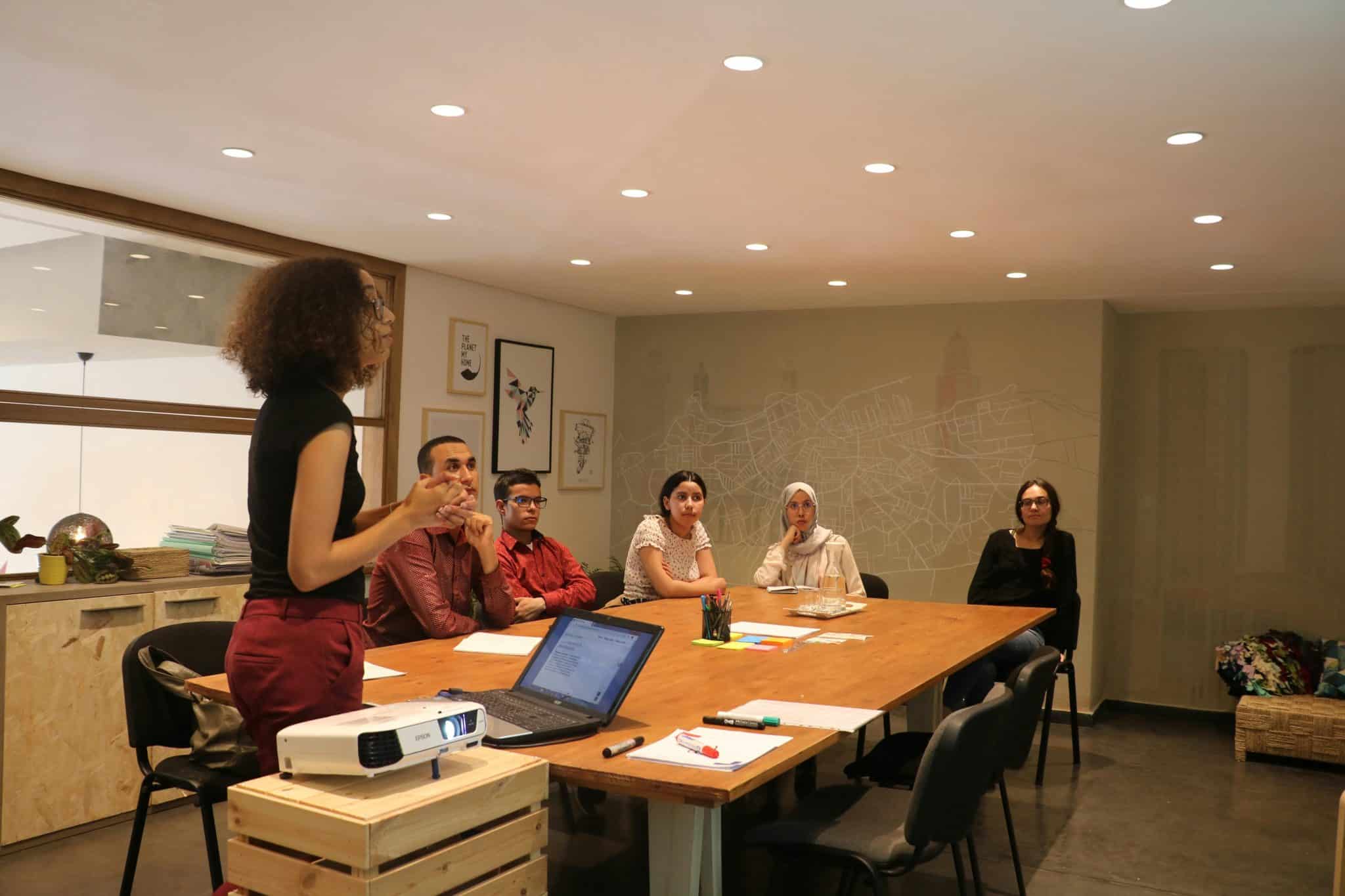
Board meetings serve as the primary venue for HOA governance, yet poorly organized meetings create more frustration than progress. Adopting rules of order such as Robert’s Rules keeps discussions focused and productive. The investment in meeting structure pays dividends in time saved and decisions made.
Distributing an agenda before each meeting allows board members to prepare for substantive discussion. The group moves through business efficiently and exercises its decision-making authority without getting derailed by tangential issues. Elements of effective board meetings include:
- Following a published agenda consistently
- Allocating specific time limits for each item
- Maintaining focused, respectful discussion throughout
- Recording all decisions accurately in meeting minutes
Well-run meetings accomplish more in less time. Board members leave feeling productive rather than drained. The practice signals professionalism to homeowners who attend or review the minutes afterward.
Develop a Strong Code of Conduct for the Board
A code of conduct establishes expectations beyond procedural rules. It represents the board’s commitment to ethical governance and reinforces the fiduciary duty each member owes to the community association. Trust develops from consistent adherence to stated principles over time.
The code addresses handling of confidential information, avoidance of conflicts of interest, and standards for respectful discourse during meetings. A well-constructed code of conduct guards against the appearance of impropriety—an important consideration when homeowners evaluate whether decisions serve collective interests or personal agendas.
Developing this code requires collaborative input from all board members and careful review of existing governing documents. In Pennsylvania, the code should translate smoothly into daily operations, covering everything from meeting conduct to financial management protocols. Strong ethical foundations make difficult decisions easier to defend.
Foster Open and Respectful Communication
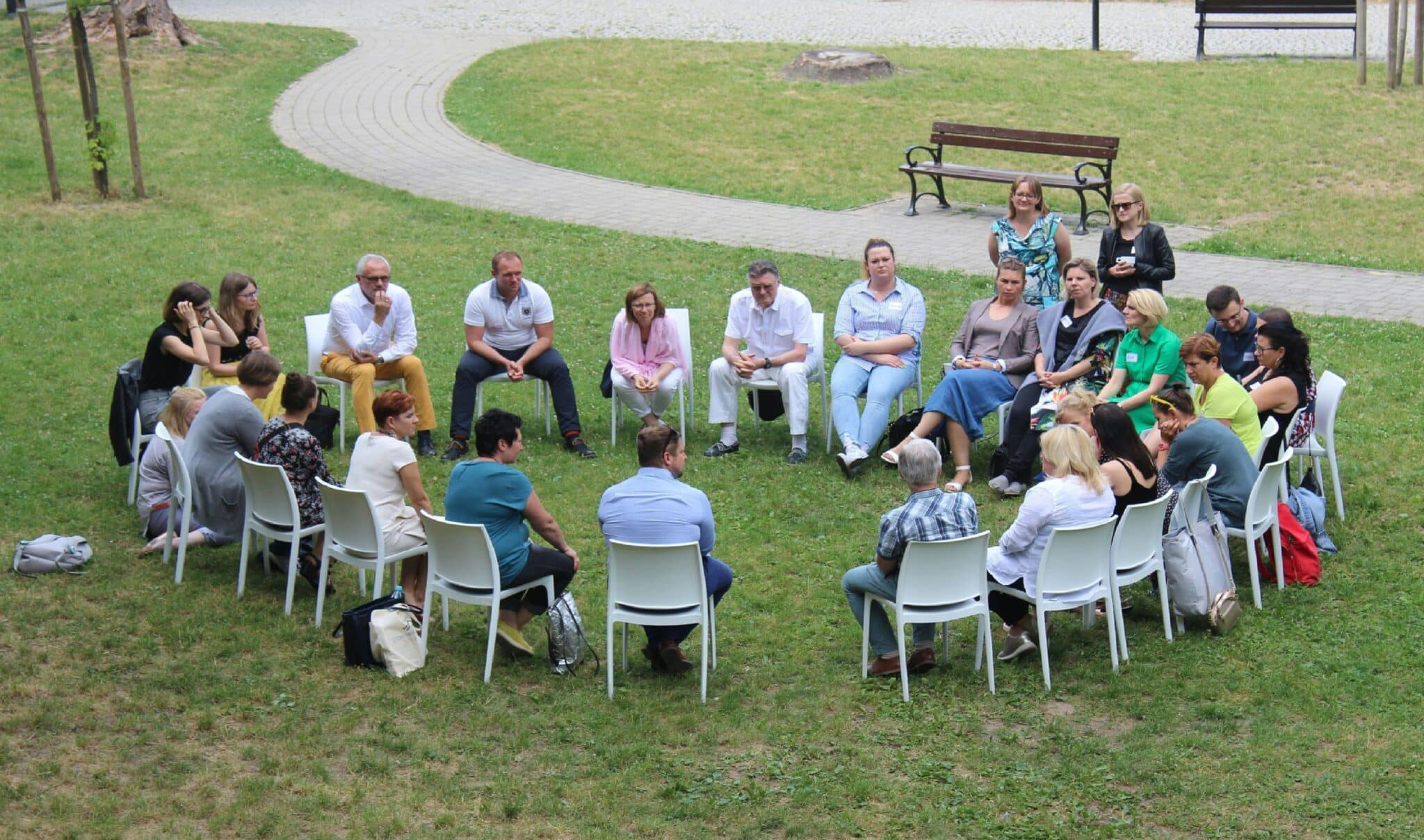
Effective communication extends well beyond newsletter distribution. It means creating an environment characterized by transparency, active listening, and mutual respect. When homeowners perceive that the board genuinely considers their input and shares information openly, trust follows naturally. Resistance to board decisions decreases.
Proactive information sharing prevents minor concerns from escalating into major disputes. Board members benefit from the same principles—disagreements handled respectfully lead to better outcomes than arguments that damage working relationships. Approaches that support effective communication and conflict resolution include:
- Holding regular town halls or forums for community engagement
- Using multiple channels—email, website, newsletters—to reach different audiences
- Maintaining a clear process for addressing complaints and resolving disputes
Prioritizing respectful communication strengthens the sense of community overall. Homeowners feel their voices matter. Community engagement becomes collaborative rather than adversarial. The board benefits from better information about what residents actually want.
Track HOA Board Best Practices and Document Decisions
Consistent documentation ranks among the most undervalued stress management tools available to boards. When decisions are clearly recorded and readily accessible, confusion disappears. A transparent governance record protects against liability and ensures continuity when new members join the board of directors.
Proper documentation of meeting minutes, resolutions, and financial approvals creates a history of how and why the board reached specific conclusions. This available information proves invaluable when answering homeowner questions months later or demonstrating compliance with best practices in community management.
A straightforward tracking system ensures major decisions receive proper documentation. Future boards inherit a reliable reference point. Current members maintain accountability for their choices.
| Decision Type | Date | Motion By | Vote Count (For-Against-Abstain) | Rationale/Key Discussion Points |
|---|---|---|---|---|
| Vendor Contract | 10/15/2024 | J. Smith | 4-1-0 | Approved XYZ Landscaping based on superior bid and references. |
| Special Assessment | 11/05/2024 | A. Jones | 5-0-0 | Needed for urgent roof repairs on the community clubhouse. |

Building a Foundation of Trust and Transparency in Your HOA Board
Trust and transparency form the bedrock of any functional community association. When residents believe their board operates honestly and fairly, genuine sense of community develops. Participation increases. Complaints decrease. This foundation does not emerge from a single initiative—it requires sustained commitment to consistent, transparent practices over time.
Effective HOA management encompasses more than rule enforcement. The relational dimension matters. When boards implement the approaches described above, trust within the community association grows steadily. Volunteer satisfaction improves. The work becomes sustainable rather than exhausting.
Encourage Community Feedback and Homeowner Involvement
A board that actively solicits resident input demonstrates genuine concern for community members’ perspectives. Meaningful homeowner involvement goes beyond filling committee vacancies—it reflects a collaborative approach to neighborhood governance. When people participate in shaping decisions, their sense of community strengthens considerably.
Make providing feedback straightforward. Suggestion boxes, periodic surveys, dedicated time at meeting openings for resident comments—multiple channels accommodate different communication preferences. Even when specific suggestions cannot be implemented, acknowledging that input was seriously considered builds goodwill and support for board decisions.
This approach to community engagement transforms the dynamic between boards and homeowners. Opposition gives way to partnership. Decisions reflect genuine community priorities rather than board assumptions about what residents want. Satisfaction improves across the board.
Promote Financial Disclosure and Budget Clarity
Transparent financial practices maintain homeowner trust more reliably than almost any other board action. In Bucks County and Montgomery County communities, regular disclosure of financial reports demonstrates the board’s fiduciary duty in tangible form. Open communication about budget matters strengthens positive relationships throughout the association.
Sound financial management ensures every decision advances the community’s best interests. HOA management software can streamline budget preparation and clarify how reserve funds are allocated. Boards that embrace financial transparency find that homeowner questions decrease over time—not because interest fades, but because confidence in governance grows. The reduction in board member stress follows naturally.

Frequently Asked Questions
What are the most effective ways for HOA boards to prevent burnout?
Preventing HOA board burnout requires systematic workload management rather than individual willpower. Clear role definitions, functional delegation frameworks, and protected personal time reduce volunteer burnout. Some boards ultimately benefit from professional management assistance when demands exceed volunteer capacity.
How can HOA boards balance delegation and governance without losing control?
Boards maintain appropriate balance through clear delegation frameworks that preserve policy authority while distributing operational tasks. The board of directors establishes guidelines and retains decision-making authority over substantive matters. Committees and managers handle execution within defined parameters. Control comes from clear boundaries, not constant involvement.
When should an HOA board consider hiring a management company?
An HOA board should evaluate professional HOA management when volunteer fatigue threatens governance quality or when operational complexity exceeds available expertise. Financial management, property management, and regulatory compliance often benefit from professional support. The investment frequently reduces overall board member stress while improving service to the community.