The holiday season is a time of joy for people. But it can also make fire risks go up in residential buildings, especially in cooking areas. If you are a property manager, you have to be proactive about fire prevention. This is an important job, and it protects homeowners and what you own from residential fires. This guide gives you a simple checklist for fire safety during the holidays. It helps you keep your property safe and secure.
If a fire does occur, homeowners should immediately call 911. After contacting emergency services, they should notify their condominium association or HOA manager. After the fire is contained, they should inspect the damage, notify residents about next steps, and begin coordinating repairs and insurance claims. Clear communication and prompt action are essential to protect both residents and property following a fire.

Essential Holiday Fire Safety Tips for Property Managers
Be sure to care for fire prevention in rental properties, with extra attention given during holidays. You need to spot common hazards before something big goes wrong. This is the most important thing to do.
You should use regular maintenance to help keep the place safe from residential building fires, which, according to fire safety statistics, account for an estimated annual average of significant property loss. Make clear communication happen with your residents about safety. Follow the safety codes for fire prevention too. In this way, these fire prevention tips will help protect your buildings.
1. Schedule Regular Dryer Vent Cleaning to Prevent Lint Fires
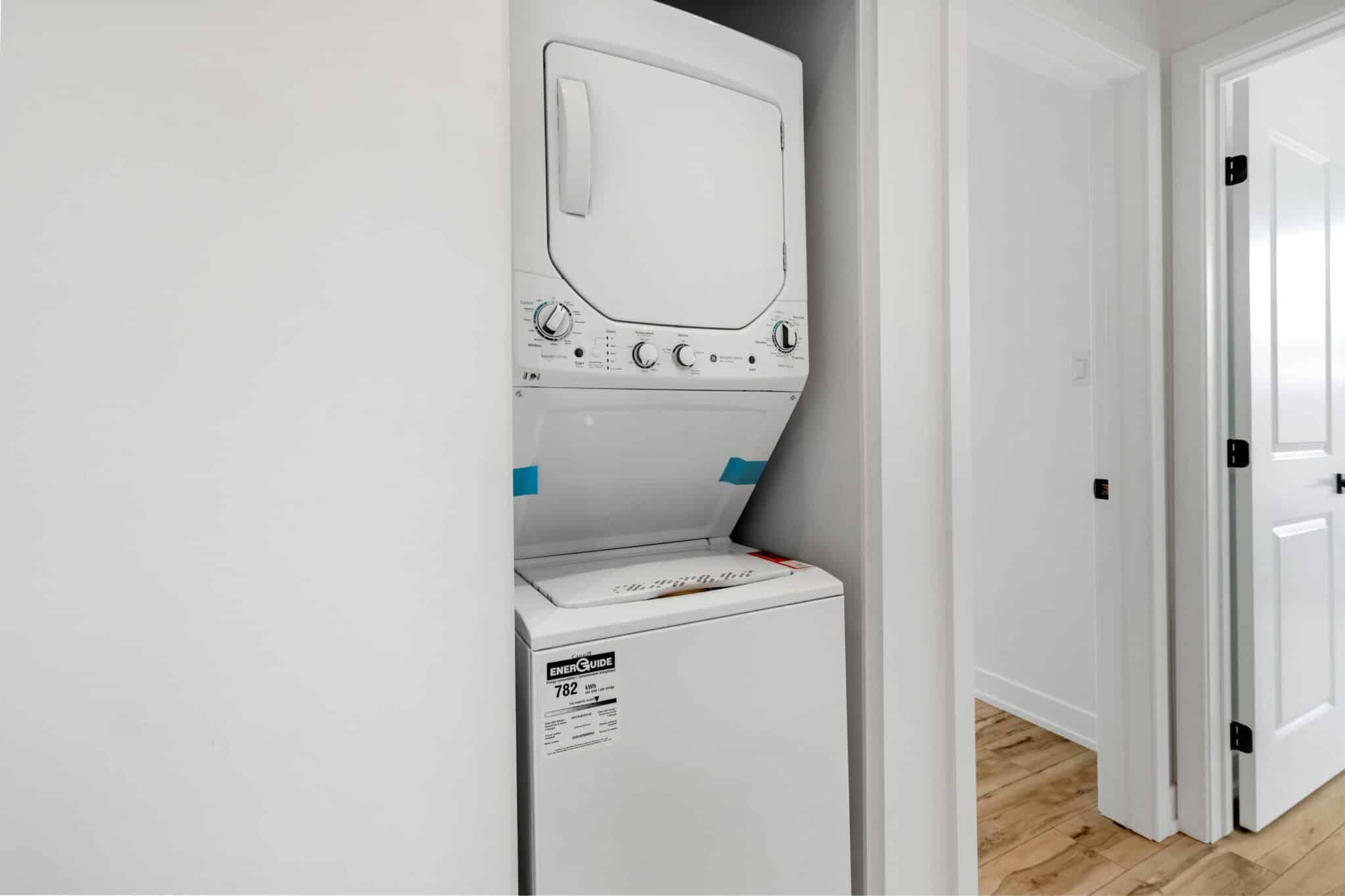
Lint gathering in dryer vents is a fire safety risk that many people miss. As time goes on, the lint can block air from moving out, make the dryer too hot, and even catch fire. These fires spread fast and cause big property damage. Fire prevention here is easy and can help keep us safe.
To help lower this risk:
Set up a professional to clean the vent at least one time each year.
Educate homeowners why they should clean the lint trap after every use.
Property managers can also prepare for wildfire risks near their buildings by establishing defensible space around structures, maintaining clear evacuation routes, and implementing regular safety trainings with residents. Keeping dryer vents clean is especially important, since embers or nearby fires could ignite lint buildup.
- Set up a professional to clean the vent at least one time each year.
- Educate homeowners why they should clean the lint trap after every use.
- Check the outside vent openings often to make sure nothing blocks them.
2. Inspect and Maintain Furnaces Before Winter Holidays
As it gets colder, people use their furnaces and heating systems more often. These can be a main heat source but also a fire safety risk. If a furnace is not taken care of the right way, it could overheat and lead to electrical fires. That is why it is important to have regular checks to meet fire safety regulations.
You should hire a good HVAC technician to look at all of your heating and cooling systems before the holiday season starts. This way, you will know they are installed the right way and working safely.
Key things to do for fire safety:
- Have a certified technician look at all furnaces and other heating units every year.
- Change any old or worn out parts right away.
- Remind homeowners to keep things that may catch fire away from any heat source.
3. Safely Install and Monitor Electrical Holiday Decorations
Holiday decorations can help make a place feel nice and bright during the holiday season, but they also can lead to electrical fires if people are not careful. Things like using too many lights in one outlet or having old, worn-out wires are common fire hazards. In older buildings, the electrical system may not take well to all the extra lights and can go over its limit.
Good fire prevention means you need to look at your building and check things before there’s a problem. You should also help people in the building learn how to be safe. It is a good idea to have a certified electrician check your electrical system in the building to make sure everything is all right.
To keep everyone safe:
- Tell people not to use too many holiday lights or other things on one outlet.
- Recommend that homeowners use only new, certified holiday decorations and power strips for their lights.
- Never let anyone use cords that are broken or worn out.

4. Create and Communicate Emergency Evacuation Plans for Multi-Unit Properties
Having a clear emergency plan in multifamily properties is important for fire safety, including ensuring that the building’s emergency exit routes are clear. When a fire happens, people often feel lost, and that can be dangerous. You have to make your evacuation procedures simple, so all residents can follow. Show both main and backup evacuation routes.
If you want to meet fire safety regulations, you need to post your plans up and practice them often. Good communication helps homeowners learn what to do when there is an emergency.
Your plan should cover:
- Clearly marked evacuation routes and exit points.
- Regular testing of emergency lighting in all hallways and stairwells.
- Distributing the evacuation plan to all homeowners
Fire Prevention Protocols for Condominium Associations During the Holidays
Condominium associations have an important job when it comes to fire prevention, especially in the common areas. To make sure they do things right, it helps to check the rules from the National Fire Protection Association (NFPA). The NFPA tells you about fire codes and fire regulations.
Following the fire regulations will lower fire hazards in places everyone uses, like lobbies and halls. This helps keep the community safe and makes sure the building passes all safety checks.
HOA-Approved Holiday Decoration Rules to Reduce Fire Hazards
Setting simple rules for holiday decorations can help HOAs lower fire risks. These rules should talk about fire hazards found with decorations. They can say what types of lights you can use, if you can use extension cords, and should limit flammable materials in common areas. A property management company can help to make and keep these rules for everyone.
If you set smart rules, you can stop circuits from getting overloaded and avoid other fire problems that come with holiday decorations. It is good if you tell all residents about these rules before the holiday season starts. This way, everyone will know how they can help keep the environment safe.
Fire Safety Equipment and Compliance for Condominium Buildings
Having the right fire safety tools is a must for condominium buildings. Working smoke detectors and strong fire alarm systems act as the first steps in keeping people safe. It is important to put in and take care of this equipment in all units and common areas, as fire codes say you should.
Making sure your building meets these rules not only helps keep your residents safe, but it can also lower your risk. The next parts will talk about how to look after this important equipment.
5. Ensure Proper Placement and Maintenance of Fire Alarms and Sprinklers
A functional fire alarm, gas leak detectors, and well-maintained sprinkler systems are critical components of your building’s safety plan. A smoke alarm provides the early warning needed for a safe evacuation, while sprinklers can control a fire before it spreads.
Regular maintenance is the best practice for ensuring this equipment works when needed most. This includes routine testing, checking for obstructions, and monitoring expiration dates.
| Equipment | Maintenance Action | Recommended Frequency |
| Smoke Alarm | Test the unit and replace batteries. | Monthly |
| Smoke Alarm | Replace the entire unit. | Check expiration dates (typically 10 years). |
| Sprinkler Systems | Visually inspect for damage or obstructions. | Annually |
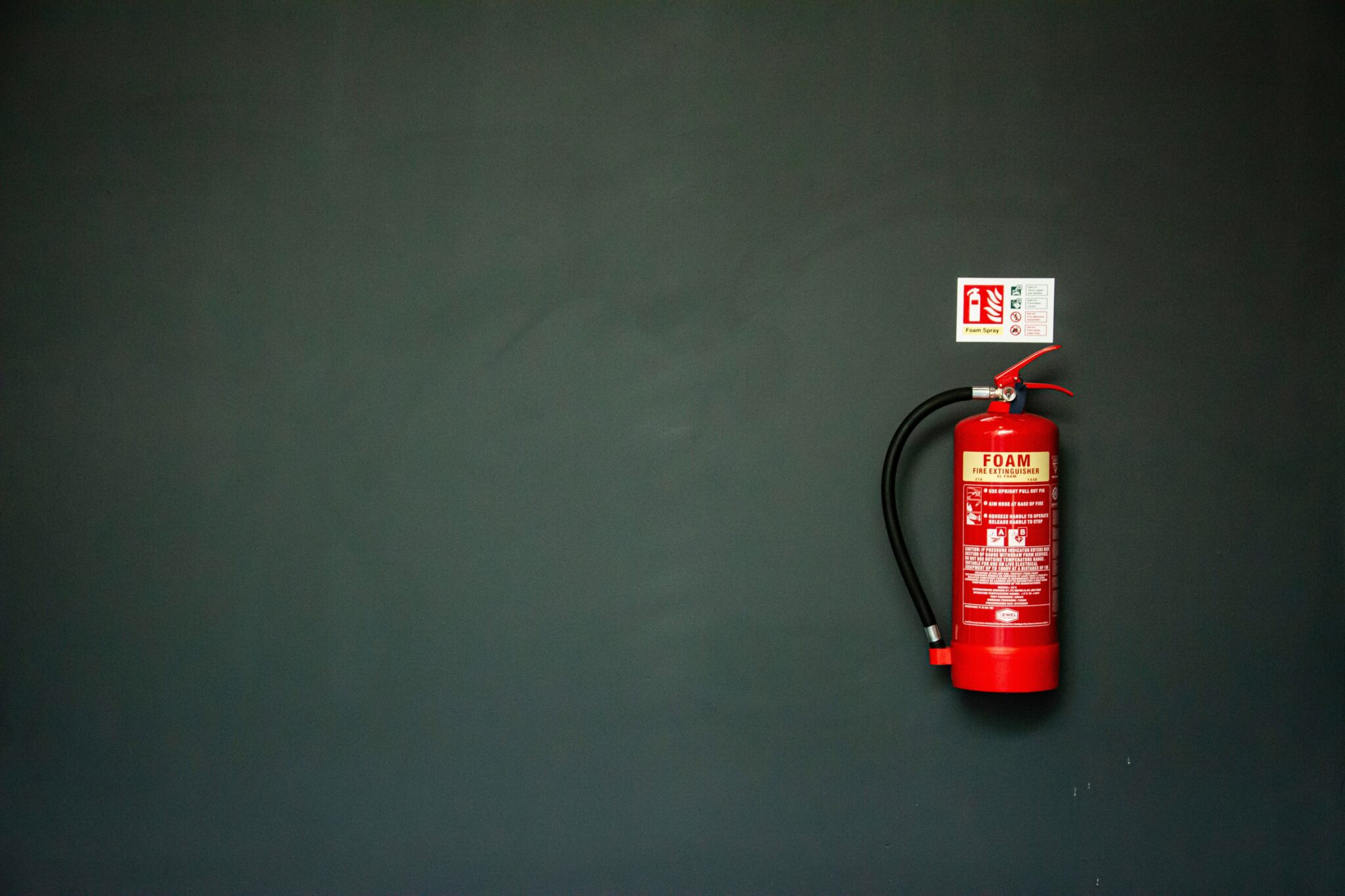
6. Provide Accessible Fire Extinguishers in Common Areas
Fire extinguishers play a key role in fire safety. They help stop small fires before those can get out of hand. Fire codes say that you need to put them in easy-to-reach spots around common areas. They are extra important in high-risk places, like kitchens and laundry rooms.
Having fire extinguishers close by helps people be quick when fire hazards show up. But, these tools will only work if they still work well and you can see them right away in an emergency.
To be ready, you should:
- Place fire extinguishers so they are easy to see and you do not have something blocking them.
- Check each device often to make sure it is fully charged and not past its expiration date.
- Make sure every fire extinguisher matches what the local fire codes say you need.
Keep your eye on all common areas for fire hazards, deal with expiration dates on your gear, and keep fire safety tools close so you, they, or anyone else can use them right away.
Conclusion
As the holiday season gets closer, fire safety is very important in places with many units. If you use the tips in this guide, you can lower the risk of fire hazards in your property. Cleaning dryer vents often, checking furnaces well, and setting up electrical decorations carefully all help to keep the residents and their homes safe. It is also good to have clear emergency evacuation plans so that everyone knows what to do in case of a fire. When condominium associations and HOA managers focus on fire safety and evacuation plans, they keep their communities safe and help all homeowners feel more secure. These steps are simple, but they really can make a big difference at this time of year.
Frequently Asked Questions
How can condominium associations and HOA managers educate homeowners about holiday fire safety tips?
Condominium associations and HOA managers can educate homeowners about fire prevention by distributing flyers in common areas, sending emails to residents, hosting community meetings, or using a mass communication system to share safety guidelines and emergency procedures.
How often should fire safety inspections be conducted in rental properties during the holidays?
It is good to have a full fire safety check done every year in rental properties. But when it comes to looking for fire hazards yet, it is better to have more frequent checks during holidays. Do a walk-through each month at this time. Look for things like too many plugs in one outlet or exits that are blocked. These steps help make your place safer during the year.
Are there recommended fire safety certifications or training programs for property managers in the United States?
Property managers should talk to the National Fire Protection Association (NFPA) and their local fire department when they need help with fire safety codes and rules. The NFPA gives useful details and tips to help people know more about fire safety regulations. You can also find training programs there that teach about fire safety and what people need to do to follow the codes.
Do fire restrictions affect condominium associations and HOAs during wildfire season?
Yes, fire restrictions significantly impact condominium associations and HOAs during wildfire season. Association managers must adhere to local regulations, which may include limiting outdoor activities and implementing specific safety measures. Ensuring compliance not only protects properties but also enhances homeowner safety and maintains community standards during high-risk periods.